What AML Leaders Are Talking About in 2025: Key Insights from the Toronto Conference
The recent AML conference in Toronto brought together compliance professionals, regulators and law enforcement to discuss how financial crime prevention in Canada is changing. For those who couldn't attend, one message stood out: FINTRAC is changing how it approaches compliance, and your organization needs to be ready.
FINTRAC's Enforcement Shift: From Assessment to Evaluation
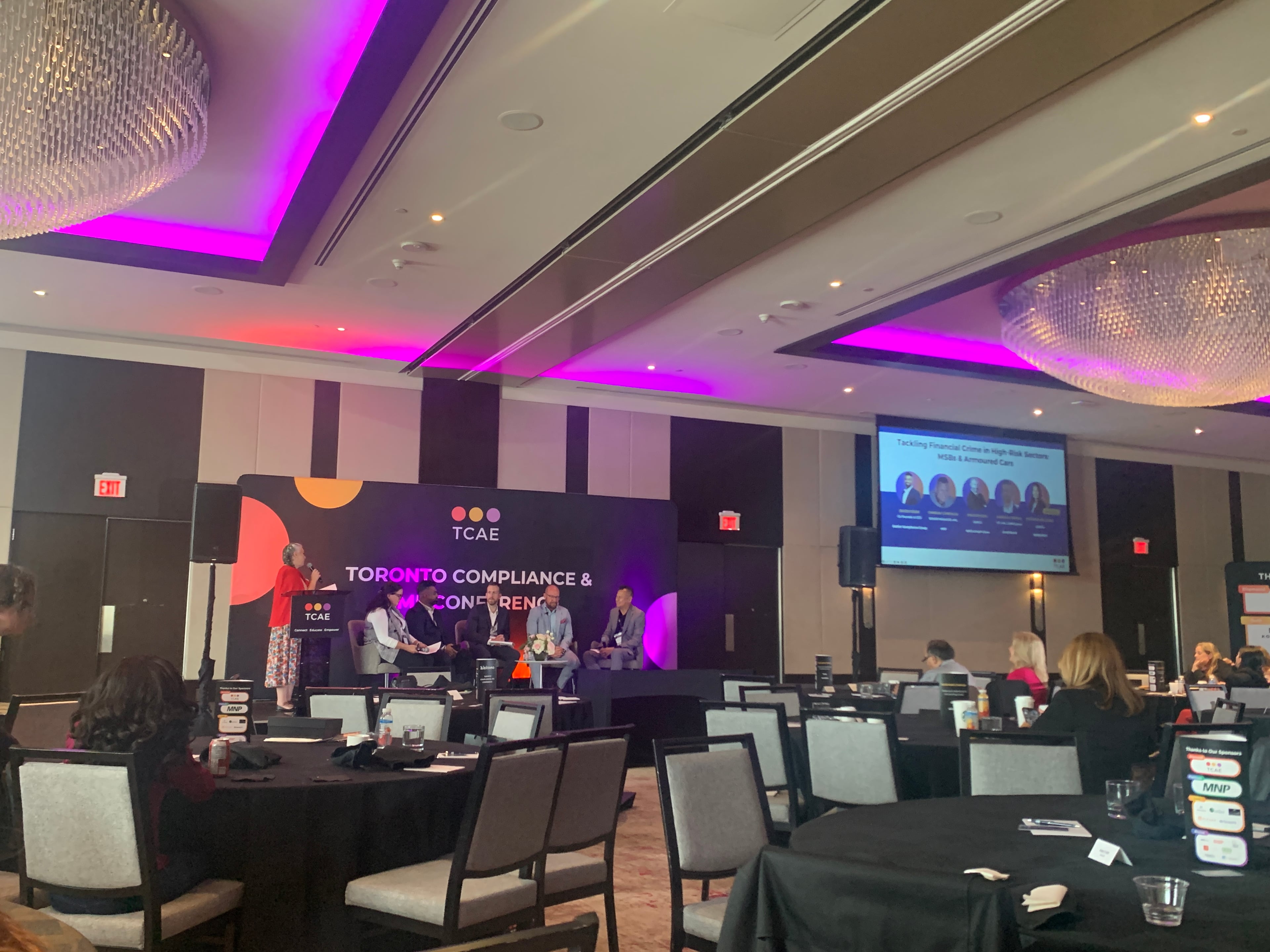
The most important point came from AML consultants at firms like Outlier and MNP, who work closely with FINTRAC's evaluation process. The rules of the game are changing: assessments can now quickly escalate into formal evaluations, and FINTRAC is enforcing noticeably harder.
Nor is this theory. Consultants with direct experience of the evaluation process confirmed that FINTRAC has moved into what insiders call "enforcement mode." For organizations that haven't kept pace with their compliance requirements, that means closer scrutiny, higher stakes, and possibly heavy penalties.
The message is plain: a properly built compliance program is no longer optional. It is the price of staying in business.
Why We Do This Work: Remembering September 11th
The conference took place on September 11th, a date that means a great deal to everyone who works to prevent financial crime. It is a sober reminder that this work matters beyond checkboxes and reports.
The 9/11 attacks cost approximately $400,000 to carry out. They showed how a small sum moving through the financial system can enable catastrophic harm. The terrorists used bank accounts in the United States to fund their operation, transactions that, in hindsight, today's monitoring might have caught.
To remember that day is also to understand the part reporting entities play in national security. When you detect and report suspicious activity, you give law enforcement intelligence that can prevent terrorism, fight organized crime, and protect vulnerable people from financial exploitation.
Your STR (Suspicious Transaction Report) is a compliance document. It may also save lives.
The Information Sharing Advantage
Much of the conference's value lay in what AML professionals shared with one another. Compliance officers at banks, MSBs, casinos and real estate firms face overlapping problems, and they solve them better together.
Veterans of the field stressed that the organizations most at risk are the ones working alone, particularly smaller entities that have no ties to the compliance community and don't attend industry events. Without those connections, they miss:
- Emerging typologies and red flags
- FINTRAC's shifting priorities and enforcement patterns
- Good practice for difficult compliance cases
- Software that can take work out of reporting
What This Means for Your Organization
If you weren't at the conference, here is what to do:
1. Review Your Compliance Program Now
Don't wait for an assessment letter from FINTRAC. Audit your compliance program against FINTRAC's current expectations. Look closely at:
- Your risk assessment methodology
- Ongoing monitoring
- Training records
- Record-keeping practices
2. Prepare for Enforcement
The days of lenient first-time warnings are ending. Make sure your organization has:
- Clear policies and procedures that reflect current requirements
- Documented evidence that you follow them
- Regular testing of your AML program
- Senior management support and accountability
3. Build Your Network
Join industry associations, attend compliance events, and get to know peers facing the same problems. What you learn from them is worth a great deal.
4. Consider Expert Support
If you lack the expertise in-house, work with consultants who understand FINTRAC's expectations and can help you avoid the mistakes that trigger evaluations.
The Bottom Line
AML in Canada is changing fast, and FINTRAC's enforcement reflects the serious threats our financial system faces. Whether you are a compliance officer at a major bank or run AML for a small MSB, the stakes have never been higher.
But remember: behind every compliance requirement is a human story. Detecting and preventing financial crime protects communities from terrorism, organized crime and exploitation.
Through 2025, being ready for the regulator is about more than avoiding penalties. It is our shared duty to protect the integrity of Canada's financial system.